
Anais J.
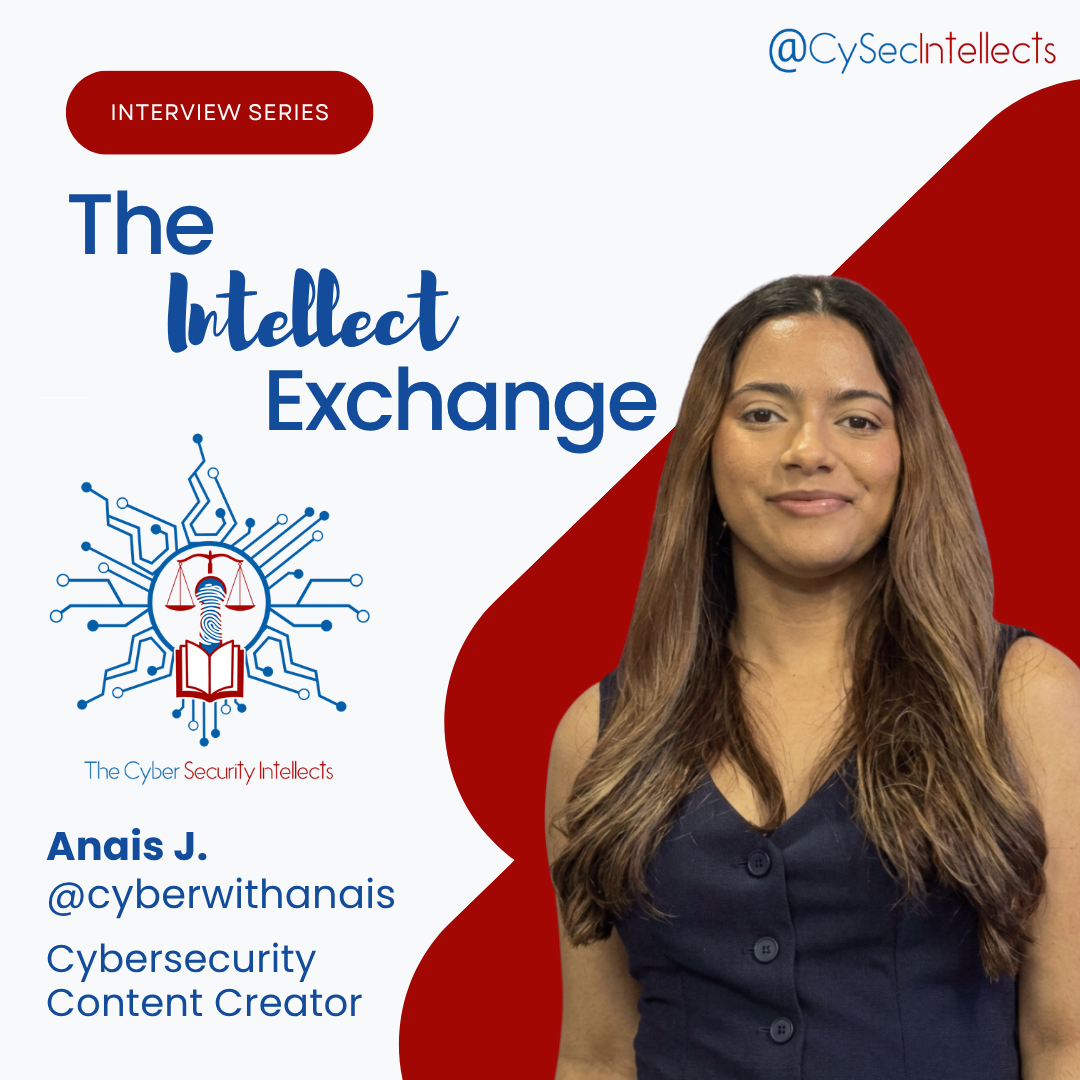
This edition of our Q&A interview series features, Anais Jaikissoon, a cybersecurity professional, researcher, and content creator whose journey into the field began with a Girls Who Code summer program and a hands-on introduction to cybersecurity. Since then, she has developed a passion for emerging technologies, including quantum computing, while using her platform to make cybersecurity concepts accessible and relevant to broader audiences. We enjoyed exploring Anais’ perspective on lifelong learning, community building, and the powerful role that social media and pop culture can play in strengthening cybersecurity awareness.
Can you tell us about your journey into the cybersecurity field? What inspired you to pursue a career in this industry?
My journey started with Girls Who Code. I was part of their seven-week summer program for high school girls, and during one week dedicated to cybersecurity, we performed a dictionary attack. I was hooked from that moment, without even knowing the different teams existed.
Pursuing a career in cybersecurity felt like the most natural choice for me. I’ve always been drawn to technology, especially emerging tech, and cybersecurity sits right at the intersection of keeping up with the latest innovations while understanding the threats that come with them.
What do you find most exciting about working in cybersecurity? Are there any specific aspects or challenges that keep you engaged?
The most exciting thing about working in cybersecurity is lifelong learning. This field never stops growing, and those in it need to evolve with it constantly. For me, that includes diving into emerging technologies like quantum computing, and as a researcher in that space, I’m excited to help shape what cybersecurity in that sector looks like. Continuous learning keeps the mind sharp, and I’ve come to see it as one of the best things I do for myself.
The flip side of that excitement is one of the field’s biggest challenges: making people outside the industry actually care. How do you convince someone that data breaches affect them personally? Or get them to use a 12-character password with uppercase and lowercase letters and special characters? How do you teach cybersecurity to someone who isn’t tech-savvy, or doesn’t want to hear it? As a content creator, I genuinely love that challenge. But it’s one of the things our entire field needs to solve together, because our knowledge is only valuable if we can make it accessible.
What advice would you give to others aspiring to pursue a career in cybersecurity?
Start with the basics, but while you’re learning, explore. Cybersecurity is a broad field with so many different paths: Penetration Testing, SOC Analysis, Cybersecurity Research, and beyond. Try different areas and figure out which one genuinely excites you before committing to a direction.
Once you find your lane, invest in your network. You cannot push your career forward without a community of people who are willing to show up for you and for whom you show up in return. The cybersecurity community is more connected than people realize, so build those relationships intentionally and early.
What suggestions do you have for making cybersecurity and IT education more accessible and engaging for the general public?
Social media is the most powerful tool we have for reaching the general public, and many reputable cybersecurity content creators use it effectively. As one of them, my goal is always to make content digestible so that even if you’ve never worked in tech a day in your life, you can still follow what’s happening and understand why it matters.
The key is making it personal. Don’t just tell someone what the threat is, show them how it connects to their life. A great example is discouraging people from entering sensitive information into AI tools. The moment you explain that doing so could hand that information to anyone who interacts with the system, it hits differently. That’s the kind of framing that actually changes behavior.
What do you think the intersection of cybersecurity and pop culture looks like?
I think the two already overlap more than most people realize; they just haven’t been introduced properly. The intersection looks like meeting people where they are. Content creators have a real responsibility here: if cybersecurity content isn’t engaging, people will scroll right past it. We have to earn their attention.
But it goes beyond content creators. Influencers and public figures have audiences that trust them, and that trust is an opportunity. Imagine if more of them used their platforms to encourage their communities to take their own cybersecurity seriously. That kind of cultural shift is how we move the needle.
Keeping Up With this Intellect…
Instagram: @cyberwithanais